Acrylic Nail Upkeep Between Fills
Acrylic nail upkeep comes down to three habits between fills: cuticle oil every day, gloves for dishes and cleaning, and never using your nails as tools. Done consistently, a set reaches its two-to-three-week fill without lifting. Daily oil matters most, because a flexible nail keeps the seal at the cuticle intact.
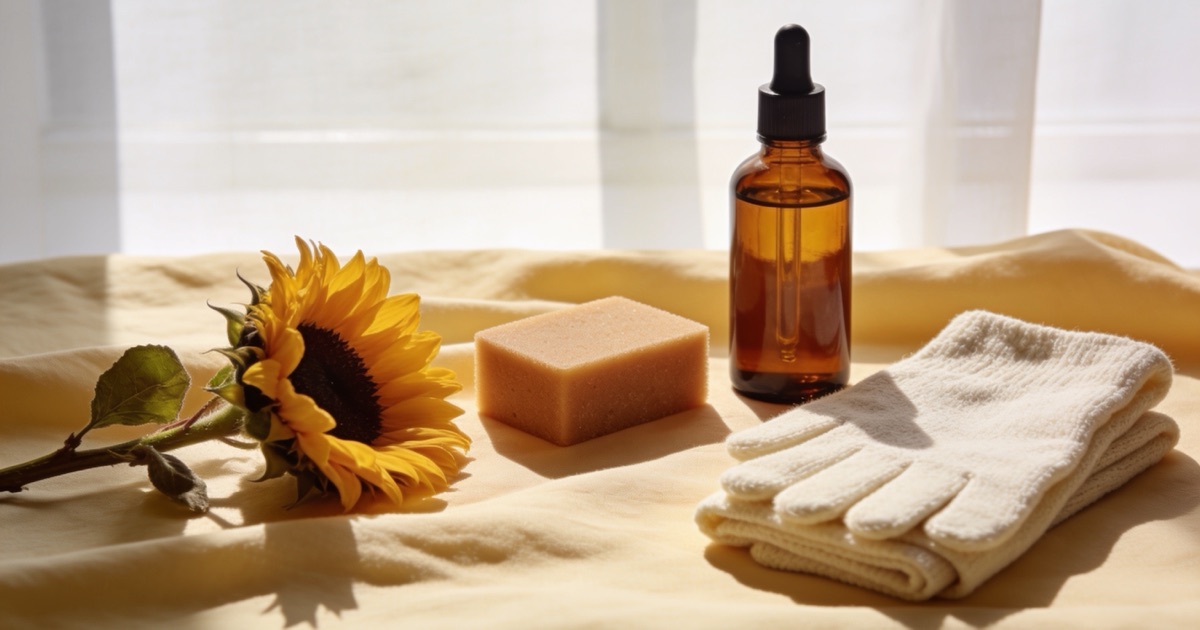
The daily routine, in 30 seconds
- Cuticle oil, every day. One drop per nail, massaged in. Nights are easiest to remember.
- Hand cream after washing. Acrylic does not dry out, but the skin and nail around it does.
- Dry your hands properly. Trapped moisture at the cuticle is what breaks the seal.
- Gloves for cleaning and dishes. Detergents and cleaners weaken the bond over time.
- Nails are not tools. No opening cans, prying lids, or scratching off labels.
If you only do one of these, make it the oil. A hydrated, flexible nail keeps the seal at the cuticle intact; a dry, brittle one cracks it, and that crack is where lifting starts. The AAD recommends moisturising nails and cuticles several times a day to counter the brittleness artificial nails can cause.
Why the two-to-three week window is fixed
It comes down to growth rate. A 2024 study in the Indian Journal of Plastic Surgery, measuring 500 fingernails across 50 adults, found an average growth of 0.103 mm per day — about 3 mm a month. That means roughly 2 mm of visible regrowth by week three.
Two millimetres does not sound like much, but it moves the balance point of the nail. The grown-out tip now sits further from where the acrylic is anchored, so every knock puts more leverage on the seal. That is the mechanism behind almost every set that lifts in week four. Booking the fill before that point is not upselling, it is physics.
Florida-specific habits that shorten a set
Living on the Gulf Coast adds a few things the standard aftercare list leaves out:
- Pool and salt water. Chlorine and salt are drying, and long swims mean prolonged soaking. Rinse and oil afterwards.
- Sand. Fine grit works into the free edge and under a lifted corner. Rinse hands properly after the beach.
- Sunscreen. Oily formulas leave a film at the cuticle. Wash your hands after applying so the seal stays clean.
- Long hot showers and baths. The single most underrated cause of lifting. Prolonged soaking works water under the edge.
- Air conditioning. Constant AC is dehydrating, which is another reason for daily oil.
If you swim regularly, mention it when you book. A slightly shorter shape holds up much better through a summer of pool days than a long coffin set.
What to do when something goes wrong
| Problem | Do this | Never do this |
|---|---|---|
| One nail lifts at the cuticle | Keep it dry, book your fill | Pick it, glue it, or pull it off |
| A nail cracks or breaks | File the edge smooth so it does not catch, book your fill | Cut it back to the nail bed yourself |
| A snag catches on fabric | Smooth in one direction with a fine file | Bite or tear it |
| Redness, swelling, or pain | See a doctor or dermatologist | Wait it out under the acrylic |
| Green or dark patch under the nail | Get it removed and looked at promptly | Cover it with polish |
That last row matters. A discoloured patch under an enhancement usually means moisture got trapped under a lifted edge. It is treatable, and it gets worse if you paint over it.
Things people do that quietly cause damage
- Picking at a lifted edge while distracted. The most common cause of natural nail damage, and it is almost always absent-minded rather than deliberate.
- Home repairs with superglue. It traps moisture and bacteria against the nail plate and makes the professional repair harder.
- Buffing the surface to remove a dull patch. Thins the acrylic and shortens the whole set.
- Cutting cuticles. The AAD specifically advises against it — cuticles are the barrier that protects the nail from infection.
- Stretching to week five "just this once." This is where most avoidable damage happens.
Between-fill checklist
Save this one. It is the whole guide in seven lines:
- Cuticle oil daily
- Hand cream after every wash
- Gloves for cleaning, dishes, and gardening
- Dry hands thoroughly
- Nails are never tools
- Rinse and oil after pool, beach, or sunscreen
- Book your fill at week two to three, before week four
Follow it and a set reaches its fill looking close to new. Ready to book yours? Message Clau on WhatsApp with a photo and get a quote before your appointment.
Keep reading
Common questions
How do I make my acrylic nails last between fills?
How often should I use cuticle oil?
What do I do if a nail lifts before my fill?
Can I file my acrylics at home between appointments?
How long can I safely go between fills?
Sources
Medical and safety claims in this guide are backed by the references below. Clau is a nail artist, not a medical professional — for a nail or skin condition, see a dermatologist.
- Artificial nails: Dermatologists' tips for reducing nail damage — American Academy of Dermatology
- Gel manicures: Tips for healthy nails — American Academy of Dermatology
- The Normal Growth Rate of Human Fingernails — Indian Journal of Plastic Surgery (2024)
Ready to book in Sarasota?
Appointments are limited and by request only. Message on WhatsApp to check availability and get your custom quote.
Book on WhatsApp →